

Educational
Blue Lobster Strain: Genetics, Effects, Flavor and Buying Guide

Nov
Blue Lobster is an indica-leaning hybrid, a cross of Apples and Bananas and Eye Candy, known for blueberry-candy sweetness, a funky gassy finish and a euphoric, social high that rarely turns sleepy. Batches are commonly reported in the mid-20s for THC, so it suits experienced users and careful beginners alike. If you want to try it, we list a Blue Lobster flower product and deliver discreetly across Canada.
Below you will find where the strain comes from, what it smells and tastes like, what THC to expect, how people describe the effects, and how to pick a good jar of it.
TL;DR
- Blue Lobster crosses Apples and Bananas with Eye Candy, and was selected as a standout cut by the Maine breeders who named it.
- Expect sweet blueberry candy, tart fruit, citrus and a little gas, with limonene, myrcene and caryophyllene usually leading.
- Reported THC runs from the mid-20s into the 30s depending on the grow, so dose by the batch’s lab label, not by the strain name.
- Effects are described as calm, euphoric, chatty and uplifted, usually without heavy couch-lock.
- Beginners should start with a very small amount and wait before taking more.
Table of Contents
- What is the Blue Lobster strain?
- Flavor and aroma: what Blue Lobster smells like
- THC levels: what to expect
- Effects: what people report
- How to choose a good Blue Lobster
- Blue Lobster compared with similar strains
- Our view on Blue Lobster
- Where to buy Blue Lobster in Canada
- FAQ
- Sources
What is the Blue Lobster strain?
Blue Lobster is a hybrid that leans indica. Its two parents are Apples and Bananas, a Compound Genetics cross, and Eye Candy. GreenState reports that Maine Trees breeders created it from that pairing, and that its ancestry includes Girl Scout Cookies (GSC), Master Kush and The White.
The origin story is a little unusual. In Leaf Magazine’s profile, breeder Chris Lynch explains that he had released the seeds years earlier in his Apples & Bananas seed collection. Maine Trees later acquired packs of Eye Candy x Apples & Bananas, grew them out and found the standout plant they named Blue Lobster. That plant is a selected cut, meaning a single plant chosen for its traits and then propagated by cloning. The same profile says the cut has been worked with by Cipher since it won the 2023 East Coast Zalympix, a well-known cannabis competition.
That explains why you will see Blue Lobster described in two ways: as a strain sold as flower, and as seeds from breeders who cross the same parents. A seed pack and a clone from the original selection can express different traits, which is one reason descriptions vary a little from source to source.
Why the name stuck
Lynch told Leaf Magazine the strain’s reputation persists because it is, in his words, extremely loud and the effects are incredible. He also pointed to its awards, its looks on social media, and a name people remember. Taste, smell, appearance and the high all land, which is rarer than it sounds.
Flavor and aroma: what Blue Lobster smells like
Blue Lobster is a dessert-and-gas hybrid. The aroma is sweet first, then sharper. Expect:
- Blueberry or blue-raspberry candy up front.
- Tart fruit and citrus, like a lemon rind note.
- Gas and earth underneath, sometimes with a hint of mint.
- A funky, slightly briny edge that some reviewers connect to the name.
GreenState describes a terpene profile that depends on the phenotype, tending toward citrusy limonene, herbaceous myrcene, peppery caryophyllene and floral linalool, with an aroma rich in tart fruit, gas, earth, candy and mint.
Terpenes are the aromatic compounds in cannabis flower, and they shape both what you smell and, many users feel, how a strain lands. If you want to go deeper, our guide to cannabis terpenes, aroma and trichomes shows how to read a bud before you buy it.
How to judge a jar by nose and eye
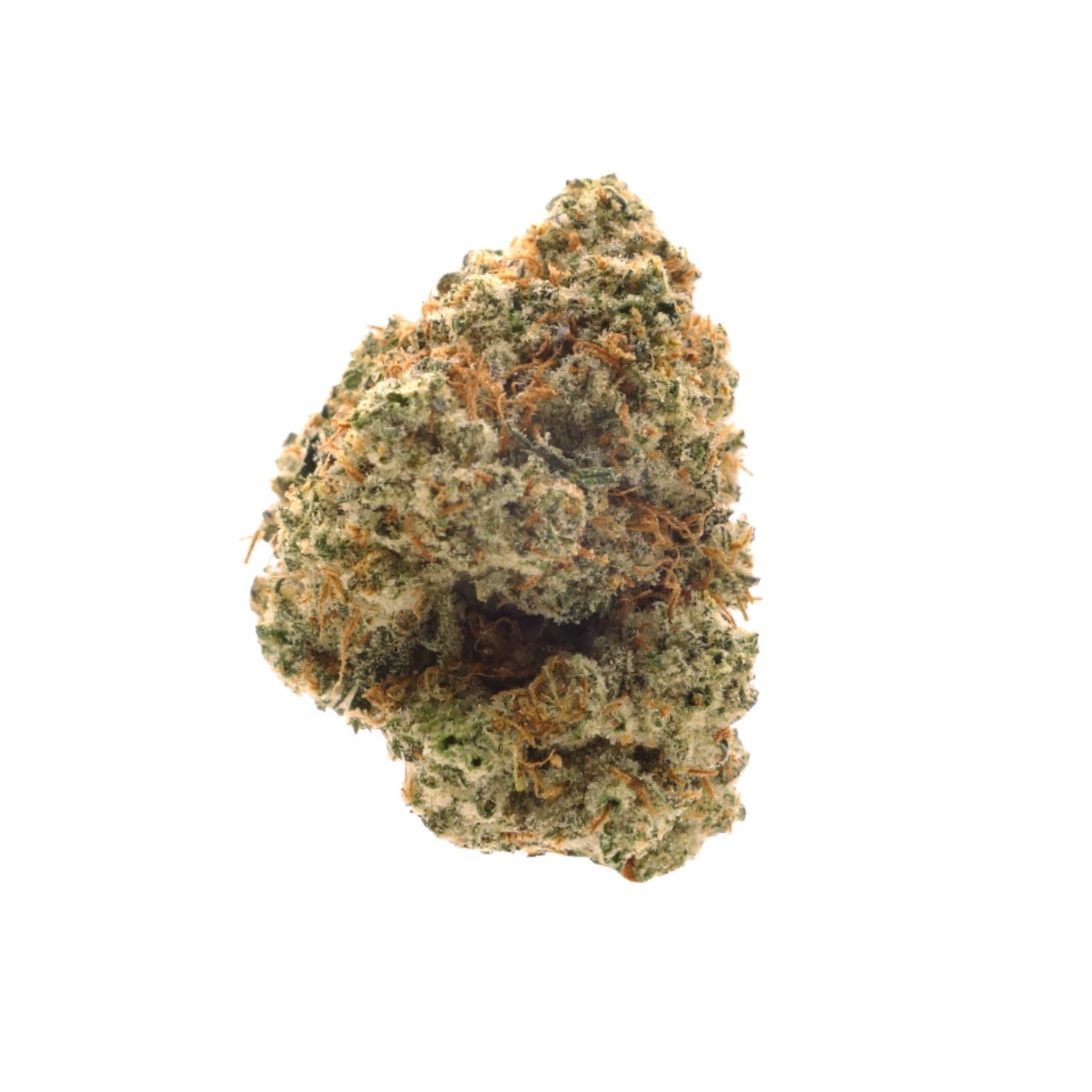
Good Blue Lobster should smell strongly the moment the jar opens. A faint or hay-like smell suggests the terpenes have faded with age or poor curing. Look for dense, rock-hard nugs with a frosty coat of trichomes, the tiny resin glands that hold cannabinoids and terpenes. Blue and purple tints can show up in the leaves, but color alone says little about potency, so use it as a bonus, not a test.
THC levels: what to expect
Here is the number that matters most for dosing. GreenState reports Blue Lobster THC levels of 25 to 35 percent depending on how the plant is grown, with recent batches around 29 percent. A reviewed Utah batch in a Cannabis School podcast episode tested around 23 percent THC and also carried minor cannabinoids such as CBGA, CBCA, THCV and CBDA.
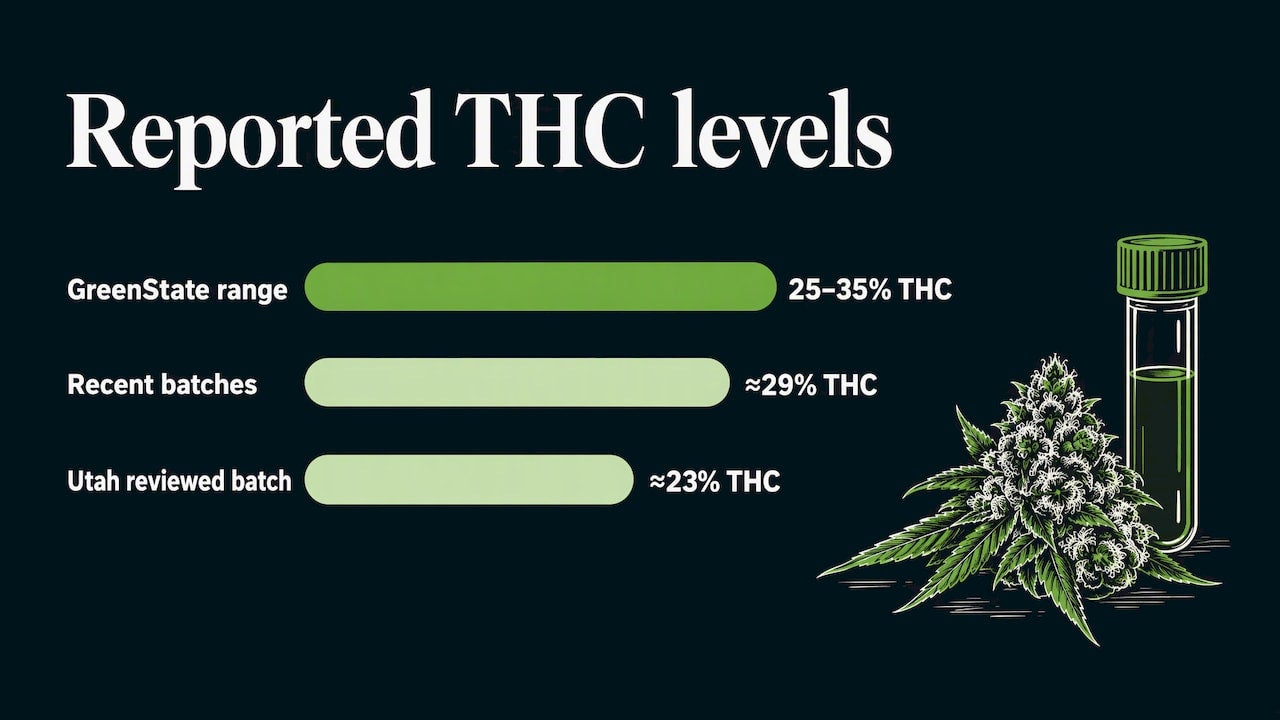
Two lessons follow. First, “Blue Lobster” tells you the genetics, not the strength: grower, light, curing and harvest timing all move the number. Second, the hosts of that same episode argue that THC percentage is only one small piece of the experience. Terpenes and minor cannabinoids shape how a batch feels, so two jars at the same percentage can feel different.
A quick table helps frame the reported ranges:
| Reported figure | Where it comes from | What it tells you |
|---|---|---|
| 25 to 35% THC | GreenState, 2025 | Wide spread by grow method |
| About 29% THC | GreenState, recent batches | Typical of strong craft flower |
| About 23% THC | Cannabis School podcast, 2026 | A single Utah batch, lower end |
When you shop, read the lab label for the exact jar in your hands. If you are new to THC percentages, our primer on the difference between THC and CBD explains what the numbers mean.
Effects: what people report
Descriptions are consistent on the broad strokes. Blue Lobster tends to arrive quickly with a cerebral lift, then settle into a relaxed, euphoric, social state. The Cannabis School hosts described a batch as calm, euphoric, social and present. Leaf Magazine’s profile calls it a euphoric surge that lifts you without crashing hard, and describes an expertly balanced, indica-leaning lineage.
That combination makes it a flexible choice:
- Afternoon or evening socializing. The chatty, uplifted quality suits company.
- Creative or relaxed downtime. Music, a walk, a film or a good meal.
- Winding down without being flattened. Reviewers often note the body relaxes without heavy couch-lock.
Every person responds differently, and tolerance, dose, product type and terpene profile all change the result. Cannabis affects judgment and coordination, so do not drive or operate machinery after using it, and keep it away from children and pets. Adults of legal age only.
Tips for first-timers
Blue Lobster is strong enough that a beginner should treat it with respect. Take a small amount, wait a good while before deciding on more, and use a calm setting. If you overdo it, our guide to 4 ways to counteract an overpowering cannabis high covers practical steps. If you are considering edibles instead of smoking, read about understanding edible dosage first, because edibles act slower and last longer. Anyone with a medical condition, who takes prescription medicine, or who is pregnant or breastfeeding should speak to a doctor before using cannabis.
How to choose a good Blue Lobster
Because the name is popular, labels vary. Use this checklist when you compare jars:
- Check the lab results. Look for total THC and, if listed, the terpene percentages. Limonene, myrcene and caryophyllene near the top matches the classic profile.
- Match the grade to your budget. Flower is often sold in tiers, from budget through AA and AAA up to AAAA. Higher tiers generally promise denser, more aromatic, better-trimmed buds.
- Smell before anything else. Candy, citrus and gas should be obvious, not muted.
- Check the cure and freshness. Buds should feel slightly springy, not brittle or damp.
- Start with a smaller size. Strong flower goes a long way, and a smaller first purchase lets you learn how a batch suits you.
If you shop by value, tiers matter. Our catalog spans budget flower up to AAAA, so you can choose by how much you want to spend and how much you want from the nose and the high. You can browse it all on our flower and pre-rolls page.
Other ways to enjoy the same profile
Blue Lobster’s flavor profile of fruit, citrus and gas is also something concentrate fans look for. If you prefer extracts, our concentrates range covers shatter, live resin, hash, distillate, wax and diamonds, and our piece on reasons to try cannabis concentrates explains the appeal. Concentrates are far stronger than flower, so beginners should go very slowly.
Blue Lobster compared with similar strains
People searching for this strain often compare it with other sweet, gassy hybrids. A simple way to think about it:
| Trait | Blue Lobster | Typical dessert indica | Typical sativa-leaning hybrid |
|---|---|---|---|
| Aroma | Blueberry candy, citrus, gas | Sweet, creamy, earthy | Citrus, pine, sharp |
| Feel | Euphoric, social, relaxed | Heavier, sleepier | Energetic, racy |
| Best time | Late afternoon, evening | Night | Daytime |
These are general patterns, not guarantees, and individual batches differ. The strain’s parents tell you why it sits in the middle: Apples and Bananas and Eye Candy bring fruit and sweetness, and the older GSC and Master Kush ancestry in the family tree adds body.
Our view on Blue Lobster
We think Blue Lobster is a good example of why shoppers should judge a strain by the batch in front of them, not just by its name or its hype.
A strain with a famous cut, strong awards and a memorable name will be copied, crossed again and grown by many hands. That is why the lab label, the smell and the freshness of the jar matter more than a logo. We built our catalog for exactly that kind of shopper: AAAA for people who want a premium nose and look, AAA and AA for everyday quality, and budget flower for people who care most about price.
Our approach is to source from leading Canadian suppliers and inspect products before they reach you, so a first-time buyer and a seasoned user can both shop with confidence. Our pricing is designed to stay affordable through scale and supplier partnerships, and orders over $200 ship free. If something is not right, our satisfaction guarantee and customer support are there to help.
the author
Where to buy Blue Lobster in Canada
If you are an adult of legal age in Canada, we offer a Blue Lobster flower product and carry a wide range of other flower, edibles, vapes, CBD and accessories. Orders arrive in discreet packaging, and orders over $200 ship free.
Start with the Blue Lobster listing or browse the full flower and pre-roll category. If you would like a lower-intensity way to explore, the edibles and CBD ranges give you gentler options, and our guide to CBD to THC ratios in edibles shows how to choose.
FAQ
Is Blue Lobster indica or sativa?
Blue Lobster is an indica-leaning hybrid. It comes from Apples and Bananas and Eye Candy, with older ancestors such as GSC and Master Kush. Most reviewers describe a balanced high that is relaxed but social rather than sedating.
How strong is Blue Lobster?
Reported THC runs from roughly 23 percent in one reviewed batch to 25 to 35 percent depending on the grow, with recent batches around 29 percent. The exact figure depends on the batch, so read the lab label on the jar. Beginners should use a small amount and wait before taking more.
What does Blue Lobster taste like?
Expect blueberry or blue-raspberry candy, tart fruit and citrus, followed by a gassy, earthy finish. Some phenotypes add mint or a floral note. Limonene, myrcene, caryophyllene and linalool are the terpenes most often named.
What are the effects of Blue Lobster?
Users describe a quick, cerebral lift, then calm euphoria and a chatty, social mood without heavy couch-lock. Effects vary with tolerance, dose and how you consume it. Do not drive after using cannabis.
Who breeds Blue Lobster?
The named cut was found by Maine Trees from Eye Candy x Apples & Bananas seed packs. The Apples & Bananas parent comes from Compound Genetics, and breeder Chris Lynch of Cipher Genetics has worked with the cut since its 2023 competition win.
Sources
- Blue Lobster, Leaf Magazine
- Blue Lobster strain, GreenState
- Blue Lobster Strain Review, Cannabis School podcast
Recommended
- Fruit Loops Strain: Genetics, Flavor, Effects and THC
- Pink Lemonade Strain: Genetics, Flavor, Effects and THC
- Orange Push Pop Strain: Genetics, Flavor, Effects and Buying Tips
- Unicorn Poop Strain: Lineage, Effects, Flavor and THC